 Blog details


Few link building strategies have generated as much debate as tiered link building.
Every year, SEO professionals declare it outdated, risky, or ineffective. Yet every year, marketers continue discussing it, testing it, and in some cases, using it.
So what’s the truth?
Has tiered link building become an obsolete tactic that belongs in SEO history books, or does it still have a place in modern search engine optimization?
The answer is more nuanced than most people expect.
Tiered link building is neither completely dead nor universally effective. Like many SEO strategies, its success depends on how it is implemented, the quality of the links involved, and whether the approach aligns with modern search engine guidelines.
In 2026, search engines are smarter than ever. Artificial intelligence, entity-based ranking systems, and sophisticated spam detection algorithms have dramatically changed how backlinks are evaluated.
This means that tiered link building looks very different today than it did a decade ago.
Understanding those differences is essential before deciding whether this strategy deserves a place in your SEO playbook.
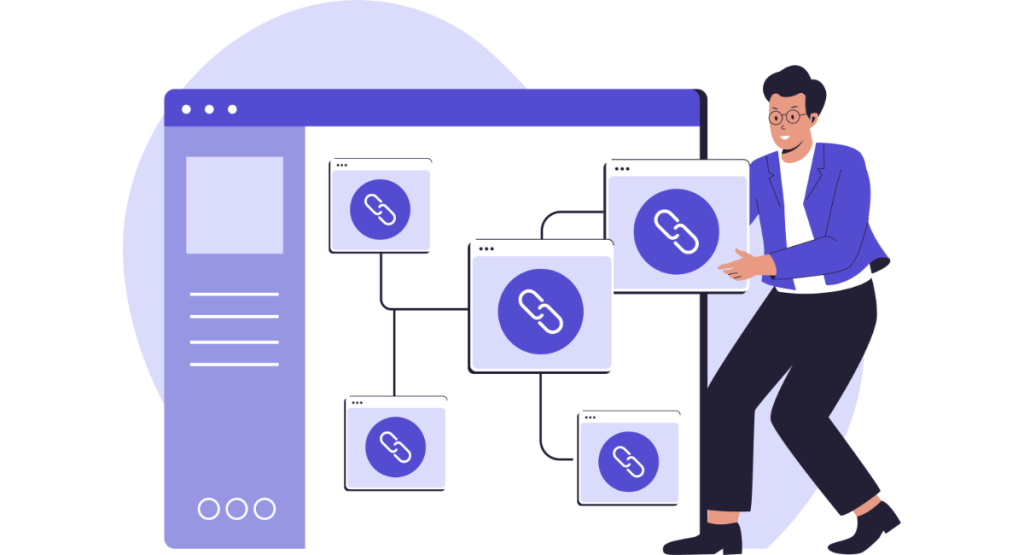
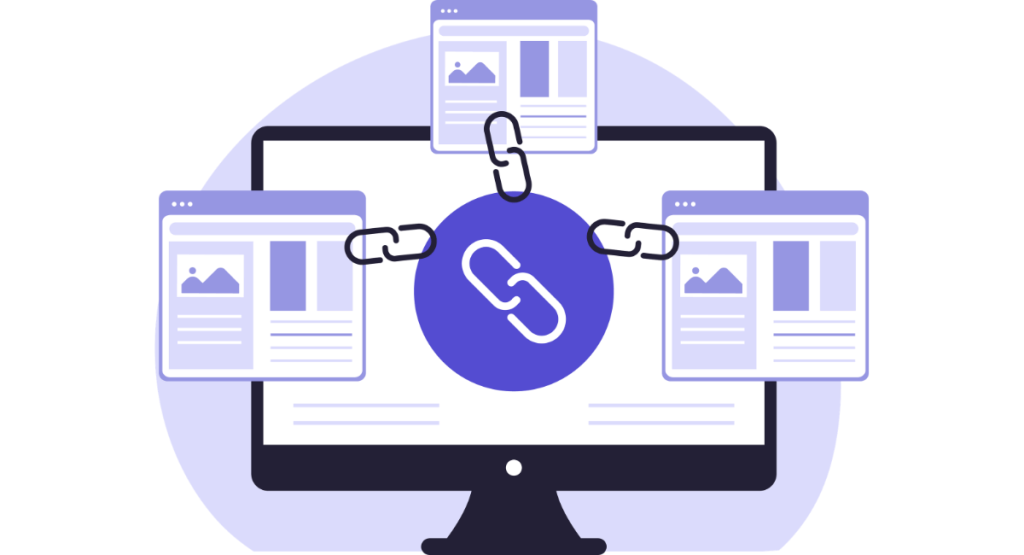
At its core, tiered link building is a strategy that involves creating multiple layers of backlinks.
Instead of pointing every backlink directly at your website, some links are directed toward other backlinks that already point to your site.
The goal is to strengthen the authority of those first-level links, which may then pass more value to your website.
A typical structure looks like this:
Your website sits at the top.
Tier 1 links point directly to your website.
Tier 2 links point to Tier 1 links.
Tier 3 links, when used, point to Tier 2 links.
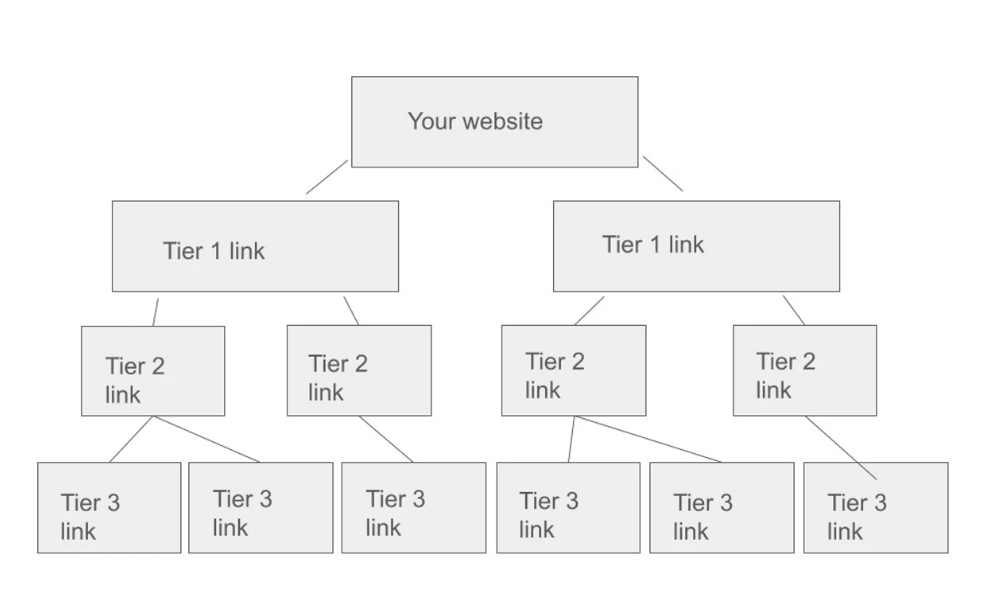
The theory is simple. By building authority around your backlinks, you amplify their impact.
In practice, however, execution determines whether the strategy helps or harms your rankings.
Tiered link building emerged during an era when search engines relied heavily on backlink quantity and link equity calculations.
SEO practitioners discovered that strengthening backlinks could often improve rankings without directly exposing a website to lower-quality links.
This created an appealing compromise.
High-quality links remained pointed directly at the website, while secondary layers of links were used to boost those primary backlinks.
For years, the strategy produced impressive results.
As competition increased, many marketers viewed tiered link building as a way to accelerate authority growth without constantly acquiring expensive editorial backlinks.
Search engines have evolved significantly.
Modern algorithms no longer evaluate links purely based on quantity or simplistic authority calculations.
Instead, they assess context, relevance, trust, user value, and link patterns.
This creates challenges for traditional tiered link building.
Artificial link structures are easier to detect than they once were. Search engines can identify unusual linking behavior, unnatural growth patterns, and networks that exist primarily for manipulation.
As a result, aggressive tiered link building strategies that relied on large volumes of low-quality links have become far riskier.
However, this does not mean all forms of tiered link building are ineffective.
The distinction lies in quality.

Traditional tiered link building often emphasized volume.
Large numbers of secondary and tertiary links were created to strengthen first-tier backlinks.
Many of these links came from low-quality sources with little editorial oversight.
Modern tiered link building is different.
Today, successful implementations focus on relevance, authority, and natural growth.
Rather than building thousands of questionable links, marketers may strategically strengthen valuable editorial placements through legitimate promotion and content distribution efforts.
This shift transforms tiered link building from a manipulation tactic into an authority amplification strategy.

Despite ongoing debates, tiered link building continues to attract attention because it addresses a real challenge.
High-quality backlinks are difficult and expensive to acquire.
When a business secures an authoritative placement, maximizing the value of that placement becomes a logical objective.
Rather than viewing a backlink as a static asset, tiered strategies attempt to improve its visibility, authority, and influence.
This can be particularly appealing in competitive industries where every advantage matters.
The key question is not whether tiered link building exists.
The key question is whether it can be implemented responsibly.

When executed carefully, tiered link building offers several potential advantages.
First, it can help strengthen valuable backlinks that are already pointing to your website.
Second, it may improve indexing and discovery of important content.
Third, it creates additional pathways for referral traffic and brand visibility.
In some cases, strategic promotion of first-tier assets can generate organic backlinks naturally, creating a compounding effect.
These benefits explain why the concept remains relevant even as tactics evolve.
However, benefits only materialize when quality remains the primary focus.

The biggest mistake businesses make is assuming all tiered link building is safe.
Poor implementation can create significant problems.
Low-quality secondary links may trigger spam signals.
Artificial link patterns can attract algorithmic scrutiny.
Over-optimized anchor text can create unnatural backlink profiles.
And excessive reliance on manipulative structures may undermine long-term SEO stability.
These risks increase dramatically when automation replaces strategy.
The more aggressive the approach becomes, the greater the likelihood of negative outcomes.
The honest answer is yes, but not in the way many people imagine.
The era of mass-produced link tiers built solely to manipulate rankings is largely over.
Search engines have become too sophisticated for simplistic approaches.
However, strategic authority reinforcement remains effective.
When high-quality content, digital PR, content promotion, and relationship-driven outreach are used to strengthen valuable backlinks, the underlying principle of tiered link building still functions.
What has changed is the methodology.
Success now depends on relevance and quality rather than scale and automation.

One of the most important developments in modern SEO is the rise of digital PR.
Instead of creating artificial layers of links, businesses increasingly strengthen earned media coverage through promotion and distribution.
When a high-authority publication mentions your brand, additional visibility efforts can attract more attention to that placement.
This often results in natural secondary links.
In many ways, digital PR represents a modern evolution of tiered link building principles.
The objective remains similar.
The execution is significantly safer and more sustainable.
Many businesses fail with tiered link building not because the concept is flawed, but because the execution is poor.
One of the most common mistakes is focusing on quantity rather than quality. Some marketers assume that building hundreds of secondary links will automatically strengthen first-tier backlinks. In reality, low-quality links often provide little value and may even introduce risk.
Another mistake is ignoring relevance. Search engines increasingly evaluate topical relationships between pages and websites. If secondary links come from unrelated sources, their ability to contribute meaningful authority becomes limited.
Anchor text abuse is another frequent issue. Repeated use of exact-match keywords creates patterns that search engines can identify. Natural language and diversity are critical for maintaining a healthy backlink profile.
Finally, many businesses underestimate the importance of monitoring. Backlink profiles change constantly. Links disappear, websites lose authority, and opportunities emerge. Without regular evaluation, even a well-designed strategy can lose effectiveness.
For businesses focused on long-term growth, white hat alternatives often provide a better path forward.
Instead of building artificial tiers, many SEO professionals now focus on creating link-worthy assets and amplifying their visibility.
This might include publishing original research, industry reports, detailed guides, or data-driven content.
Once these assets are published, promotion becomes the second layer. Outreach campaigns, digital PR efforts, social distribution, and community engagement help expose the content to relevant audiences.
As visibility grows, natural backlinks begin to accumulate.
The end result resembles the objective of tiered link building, but the process aligns with search engine guidelines and carries significantly less risk.

Content promotion has become one of the most effective ways to strengthen existing backlinks.
Imagine earning a mention from a respected industry publication.
Instead of stopping there, you promote that article through newsletters, social media, industry communities, and partner networks.
As more people discover the content, additional websites may reference it.
This creates a natural second layer of links pointing toward the original placement.
Unlike traditional tiered structures, these links emerge organically because the content itself provides value.
This is why many modern SEO professionals view content promotion as one of the safest forms of authority amplification.
One question often arises when discussing tiered strategies.
Why not simply build more direct backlinks?
The answer depends on resources and opportunity.
High-quality direct backlinks are often difficult to secure. They require relationships, content creation, outreach, and significant effort.
When a valuable backlink is already acquired, strengthening it may provide a more efficient return on investment than constantly pursuing new placements.
However, direct link building remains the foundation of any sustainable SEO strategy.
Tiered approaches should complement, not replace, the acquisition of strong editorial backlinks.
Without quality first-tier links, additional layers have little meaningful impact.

Not every business needs tiered link building.
Small businesses with limited SEO resources often benefit more from focusing on foundational link acquisition.
Local companies may achieve strong results through local citations, community partnerships, and regional authority building.
Tiered strategies become more relevant in highly competitive industries where businesses are already investing heavily in content, outreach, and authority development.
Even then, the focus should remain on quality rather than scale.
The most successful campaigns use tiered principles selectively rather than treating them as the centerpiece of an SEO strategy.
Businesses seeking quick wins through aggressive automation should avoid tiered link building entirely.
The risks outweigh the rewards.
Organizations operating in highly regulated industries should also be cautious. Trust and reputation are often more valuable than temporary ranking gains.
Brands that depend heavily on long-term organic traffic generally benefit more from white hat strategies designed to withstand future algorithm updates.
Artificial intelligence is reshaping search in significant ways.
Modern search engines evaluate far more than backlinks alone. They analyze entities, user behavior, topical authority, content quality, and brand signals.
This evolution does not eliminate the importance of links, but it changes how they are interpreted.
Links now function as part of a broader trust ecosystem.
A backlink from a respected publication contributes not only authority but also brand recognition and entity validation.
As AI-powered search systems become more sophisticated, quality signals continue gaining importance.
This trend favors strategies built on relevance, credibility, and genuine value creation.
Looking ahead, tiered link building will likely continue evolving.
The underlying principle of strengthening authority is unlikely to disappear.
What will continue changing is execution.
Future strategies will rely less on artificial structures and more on content ecosystems, digital PR campaigns, audience development, and brand amplification.
Businesses that understand this shift will remain competitive.
Those relying on outdated tactics may find themselves struggling to keep pace with modern search algorithms.
The future belongs to authority-driven SEO rather than manipulation-driven SEO.
Yes, tiered link building still works in 2026.
But it works very differently from how many people remember it.
The old model built on automation, scale, and low-quality links has largely lost effectiveness.
The modern version focuses on strengthening valuable assets through legitimate promotion, strategic visibility, and authority amplification.
When executed responsibly, tiered principles can contribute to stronger SEO performance.
When executed carelessly, they can create unnecessary risk.
The difference lies entirely in quality, relevance, and intent.
Tiered link building remains one of the most misunderstood strategies in SEO. Some view it as a relic of the past. Others treat it as a secret weapon.
The reality falls somewhere in between.
The concept of strengthening authority around valuable backlinks still holds merit. What no longer works is the aggressive, spam-driven approach that once defined the tactic.
Businesses focused on sustainable growth should prioritize high-quality backlinks, content promotion, digital PR, and strategic authority building. These methods align with modern search engine expectations while still capturing the core benefits that made tiered link building attractive in the first place.
If you’re looking to improve rankings without relying on outdated shortcuts, investing in ethical, authority-focused link building is the smarter path forward.
Contact our team today to learn how modern link building strategies can help your website grow sustainably, improve visibility, and build lasting authority in competitive search results. Because in 2026, the websites that win are not the ones building the most links. They are the ones building the most trust.