
 Blog details


Here’s a hard truth most SEO articles won’t open with: the majority of link building efforts produce almost nothing.
Companies spend thousands on outreach campaigns, guest posts, and “authority backlinks” and three months later, their rankings haven’t budged an inch. Not because link building doesn’t work. It absolutely does. But because they’re building links without a plan.
A random collection of backlinks is like throwing darts in the dark. You might hit something eventually, but you’re mostly just making noise. A structured link building plan, on the other hand, is a precision instrument, one that tells search engines exactly what your site is about, who should trust it, and why it deserves to rank.
If you’re tired of investing in SEO that doesn’t move the needle, this guide is for you. Let’s build a link building plan that actually works.
Before we get into the “how,” let’s talk about the “why not.”
Most businesses approach link building reactively. They publish content, hope someone links to it, occasionally send out a batch of outreach emails, and repeat. There’s no target, no prioritization, no measurement framework.
The result? A backlink profile that looks like a Jackson Pollock painting — lots of activity, no clear direction.
The three most common reasons link building underperforms:
A proper link building plan fixes all three. Here’s how to build one.

This might seem obvious, but it’s the step most teams skip. Link building without a goal is just busywork. Ask yourself:
Each goal demands a different link building strategy. A SaaS company trying to rank “project management software” needs very different links than a local law firm trying to dominate “divorce attorney in Edmonton.”
Action items for this step:
This becomes your north star. Every link you build should serve these targets.
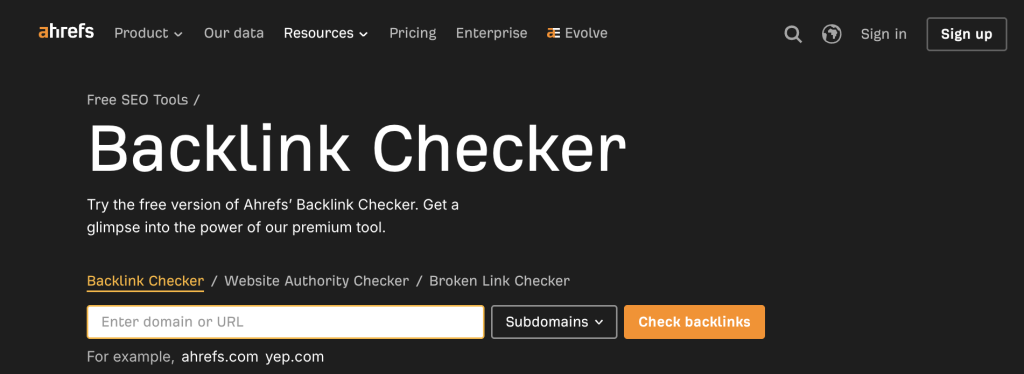
You can’t plan a journey without knowing where you’re starting from. A backlink audit gives you a clear picture of:
Tools like Ahrefs, SEMrush, or Google Search Console will surface this data quickly.
What to look for in your audit:
Your audit tells you the gaps. Your plan fills them.

Here’s where things get genuinely interesting. Your competitors who rank above you have already done the hard work of identifying what links move rankings in your niche. Your job is to reverse-engineer their success. Run a link gap analysis to find:
How to execute a competitor link gap analysis:
This isn’t copying — it’s pattern recognition. And in SEO, pattern recognition is a superpower.
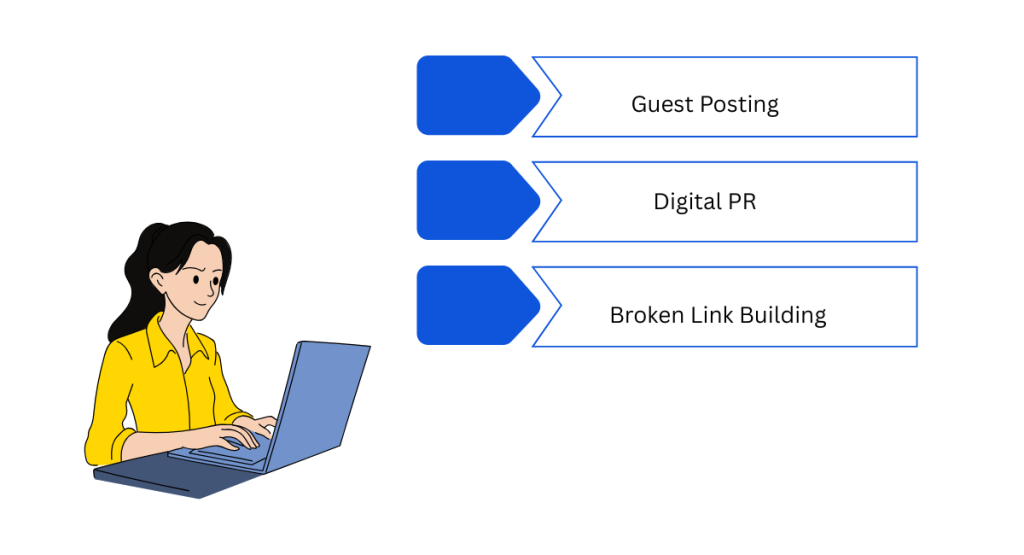
Not all link building tactics are created equal. Some are high-effort, high-reward. Others are quick wins. A solid plan uses a mix of both.
Here are the most effective tactics to include in your link building plan:
Write high-quality articles for relevant publications in your niche. The key word is relevant — a SaaS company should be guest posting on SaaS blogs, marketing publications, and B2B media outlets, not random lifestyle sites.
Create data studies, industry reports, or tools that journalists and bloggers naturally want to cite. This is the highest-ROI tactic for earning editorial links at scale.
Find broken links on high-authority pages in your niche and offer your content as a replacement. It’s a win for the site owner and a win for your backlink profile.
Identify unlinked brand mentions, places where someone wrote about your company without linking to you and politely ask them to add the link. These are the easiest conversions in link building.
Find curated “best resources” pages in your niche and pitch your content for inclusion. These pages exist specifically to link to quality content.
For SaaS companies, co-marketing partnerships and integration partner pages can yield high-DR links from directly relevant domains.
A balanced monthly link building plan might look like:
| Tactic | Monthly Volume | DR Target |
|---|---|---|
| Guest Posts | 4–6 | DR 40–70 |
| Digital PR | 2–4 | DR 60+ |
| Broken Link Building | 3–5 | DR 35–60 |
| Link Reclamation | 2–4 | Any |
| Resource Pages | 2–3 | DR 40+ |

The best link building strategy in the world is worthless without effective outreach. And most outreach fails because it’s either too generic, too pushy, or too obviously transactional.
The anatomy of a high-converting outreach email:
Outreach best practices:
The goal of outreach isn’t to close every deal — it’s to start real conversations with real people at real publications. Relationships built through outreach often produce multiple links over time, not just one.

Search engines are sophisticated enough to notice when a site suddenly earns 200 links in a month after averaging 5 per month. Unnatural spikes raise red flags — even if the links are legitimate.
Link velocity refers to the pace at which your site acquires new backlinks. A healthy velocity is:
Build your plan around a sustainable monthly target and ramp up gradually as your domain authority grows.

A link building plan without measurement is a guessing game. Track the right metrics and you’ll know exactly what’s working — and what to cut.
Key metrics to track monthly:
Review these monthly. Quarterly, do a deeper audit to reassess your competitor gap analysis and adjust your target list.
The best link building plans are living documents — they evolve as your site grows, your rankings shift, and the competitive landscape changes.
Building a link building plan that moves rankings isn’t complicated, but it does require discipline. It means resisting the urge to chase shortcuts, staying consistent when results are slow to show, and always tying every link back to a clear business objective.
Here’s a quick recap of the framework:
If this sounds like the kind of structured, results-driven approach you’ve been looking for, but you’d rather have an expert team execute it for you — we’d love to help.
At Linkdune, we specialize in high-authority, editorial link building for SaaS companies and businesses that are serious about organic growth. No PBNs. No spam. Just real links from real publications that move real rankings.
Contact our team today and let’s build a link building plan tailored to your goals, your niche, and your competition.
Because the best time to start a real link building strategy was six months ago. The second best time is right now.